Building Fitness Habits That Actually Last - 7 Tipps
Building Fitness Habits That Actually Last – 7 Tips
Why discipline beats motivation and consistency outperforms every fitness tracker
Every January, fitness goals get louder.
New plans. New promises. New motivation.
Gyms fill up, fitness trackers are bought, routines are planned down to the smallest detail. Yet after a few weeks, most of it fades. Not because people don’t want change—but because motivation alone is fragile.
What most men are really looking for isn’t another workout idea.
It’s a way to follow through.
Not for a week.
Not for a month.
But long enough for fitness to become part of who they are.
That’s where sustainable fitness habits are built: not on hype, but on structure.
Why simplicity wins in fitness consistency
Most fitness systems fail because they are overloaded.
Too many metrics.
Too many apps.
Too many decisions.
Modern fitness culture pushes constant optimization—heart rate zones, daily readiness scores, endless tracking. Ironically, this complexity often kills consistency. When everything matters, nothing sticks.
Real fitness consistency comes from reducing friction. When your system is simple, discipline becomes easier. You don’t need the best fitness tracker of 2026 to stay consistent. You need clarity about what matters and a structure that supports repetition.
At its core, sustainable fitness follows a simple pattern: decide what you want to do, do it consistently over time, and review your progress regularly. Not to chase perfection, but to stay aligned.
Discipline over motivation
Motivation is emotional. Discipline is structural.
Motivation gets you started, but discipline keeps you going. Especially on days when training feels like the last thing you want to do. That’s why lasting fitness habits are never built around how you feel—they are built around what you’ve committed to.
Consistency is not about intensity. It’s about showing up even when energy is low and conditions are imperfect. Over time, those small, repeated actions compound into real physical and mental change.
This is where many men get stuck: they wait to feel ready instead of building a system that removes the need for constant decision-making.
One place to track what actually matters
You don’t need to track everything.
You need to track what matters.
Whether you use a digital fitness tracker or a physical system, the goal is the same: awareness and accountability. When progress is visible, habits are easier to maintain. When reflection is missing, weeks pass without adjustment.
That’s why structured habit tracking plays a central role in long-term fitness success. Having one place to define your training focus, review your consistency, and adjust weekly goals removes noise and creates clarity.
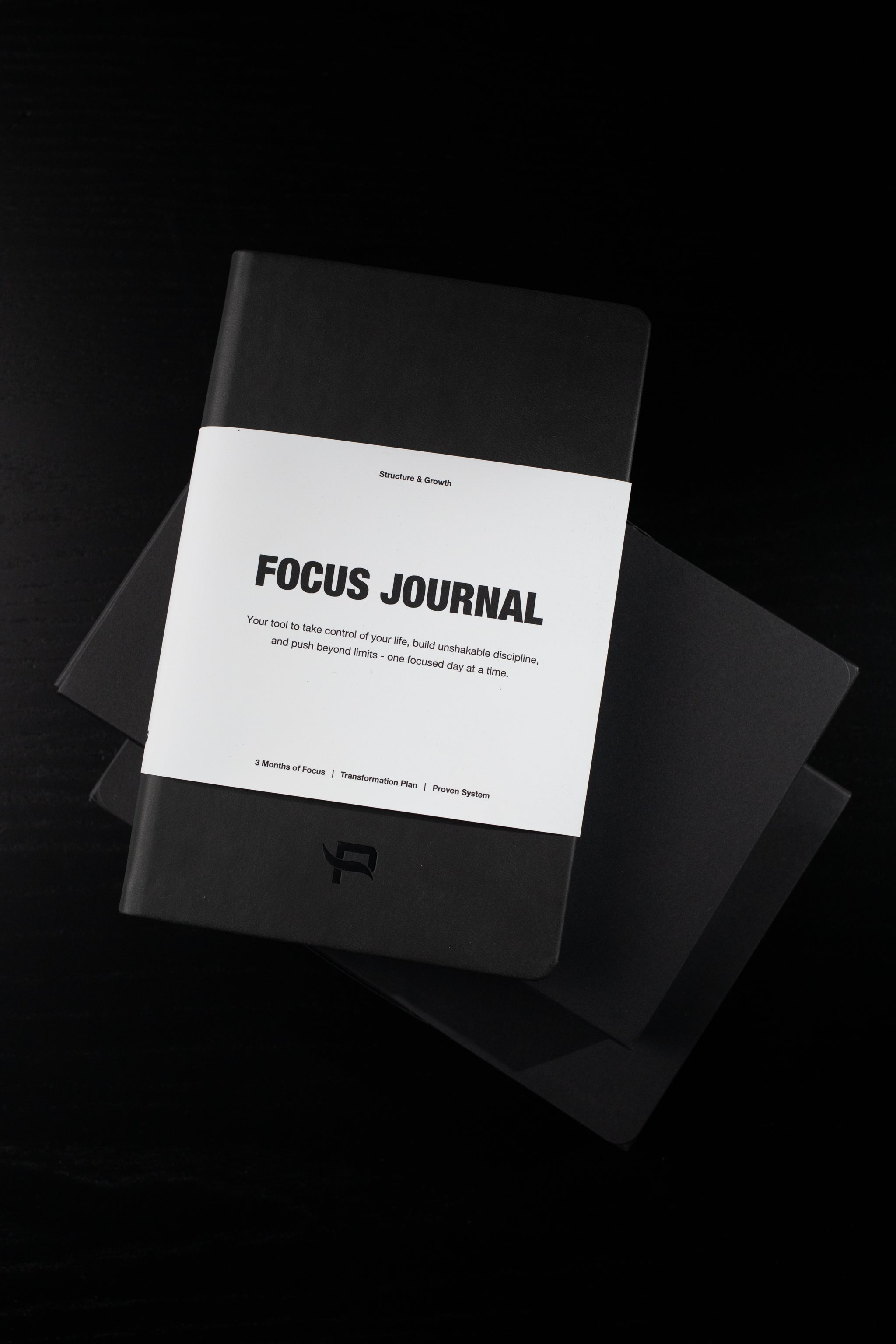
The PrimeFlow Journal was designed exactly for this purpose: not to replace training plans or nutrition knowledge, but to give structure to execution. It helps turn fitness from a recurring resolution into a repeatable process.

Building fitness habits that last
Fitness habits that actually last are rarely extreme. They are realistic, repeatable, and aligned with daily life. Work, stress, travel, and imperfect days are part of the equation—not excuses to restart.
When training and nutrition are built around consistency rather than perfection, discipline becomes natural. Over time, fitness stops being something you negotiate with yourself. It becomes something you do—because it’s part of your identity.
That’s when habits stick.
Not because motivation is high, but because the system works.
The long-term perspective
Sustainable fitness is quiet.
It doesn’t rely on hype cycles or constant upgrades.
It’s built through small decisions repeated over months, not weeks.
The men who succeed long term aren’t the ones chasing the next trend. They are the ones who simplify, commit, and review consistently. They choose structure over motivation—and clarity over complexity.
Fitness that lasts isn’t about doing more.
It’s about doing the right things long enough for them to become part of who you are.