How to Stop Procrastinating for Good
You know what needs to get done. You've known for days.
You even planned to do it — this morning, after lunch, tonight. Every time, something else came first. Not something urgent. Just something easier. Something that didn't require sitting with discomfort.
That's not laziness. That's your brain doing exactly what it was trained to do.
What Procrastination Actually Is
Procrastination is not a time management failure. It's an emotion regulation failure.
When a task feels uncertain, complex, or uncomfortable, the brain triggers avoidance. The discomfort of starting is perceived as a threat, and the path of least resistance — a cleaner inbox, a scrolled feed, "just five more minutes" — removes that threat temporarily.
The relief is real. That's the problem. Every time you avoid the task and feel better, the pattern reinforces. Your brain learns: avoidance works. And so it offers avoidance again, more insistently, the next time.
Why Trying Harder Makes It Worse
The standard advice is to push through. Set a timer. Just start. Grind past the resistance.
This works occasionally. But willpower is a limited resource, and fighting your own brain every morning is exhausting. The men who seem immune to procrastination aren't grittier than you — they've structured their environment so the friction of starting is lower than the friction of avoiding.
You don't overcome procrastination by becoming more disciplined in the moment. You engineer your environment so the path of least resistance points toward the work, not away from it.
The Structural Fix for Procrastination
There are two root causes that drive most procrastination: task ambiguity and decision fatigue.
Task ambiguity means the task is too vague to start. "Work on the project" is not a task. Your brain has no clear entry point, so it stalls. Break it down to the next physical action — the specific thing you could do right now. "Write the first three sentences of section two." That's startable.
Decision fatigue means you're making too many choices before you ever start working. What to do first, what's most important, whether now is the right time. Every one of those micro-decisions consumes energy. Eliminate them with a written daily plan prepared the night before. When you wake up, the decision is already made.
5 Rules to Stop Procrastinating for Good
1. Write tomorrow's three tasks tonight.
Not a to-do list — three tasks, ranked. The most important one goes first. When you sit down to work the next morning, you don't decide what to do. You just start. That single shift removes the most common trigger for morning procrastination.
2. Break every task down to the next physical action.
If a task is vague, you won't start it. Before you close your journal for the night, write out the exact first step for each of the three tasks. "Write the intro" becomes "Write two sentences that name the problem the reader has." Specific is startable.
3. Start with two minutes, no commitment.
Agree with yourself that you'll work on the task for exactly two minutes. That's it. After two minutes you can stop. The trick is: you almost never stop. Starting is the barrier. Once you're in, momentum takes over. Two minutes bypasses the resistance without fighting it.
4. Remove the easiest alternatives before you sit down.
Close every browser tab that isn't work. Put your phone in another room — not on silent, in another room. The moment the easy option isn't immediately available, the cost of avoidance rises. Most procrastination is a matter of convenience, not character.
5. Track the avoidance, not just the progress.
When you catch yourself avoiding, write it down. What task? What time? What did you do instead? Patterns emerge fast. When you can see exactly when and how you procrastinate, you can adjust the environment before the trigger occurs.
Want the full system in one place?
I put together a free guide — 7 rules that replace motivation with structure. The foundation behind everything on this blog.
Get the Free Guide →What Comes After the First Win
The first time you execute the full day without avoidance, it doesn't feel like a miracle. It feels like a normal day. That's the point.
Procrastination feels like a character flaw when you're inside it. From the outside — after you've built the structure — it looks like what it always was: a friction problem with an engineering solution.
Remove task ambiguity. Eliminate decision fatigue. Raise the cost of avoidance. You don't need more discipline. You need fewer reasons to avoid.

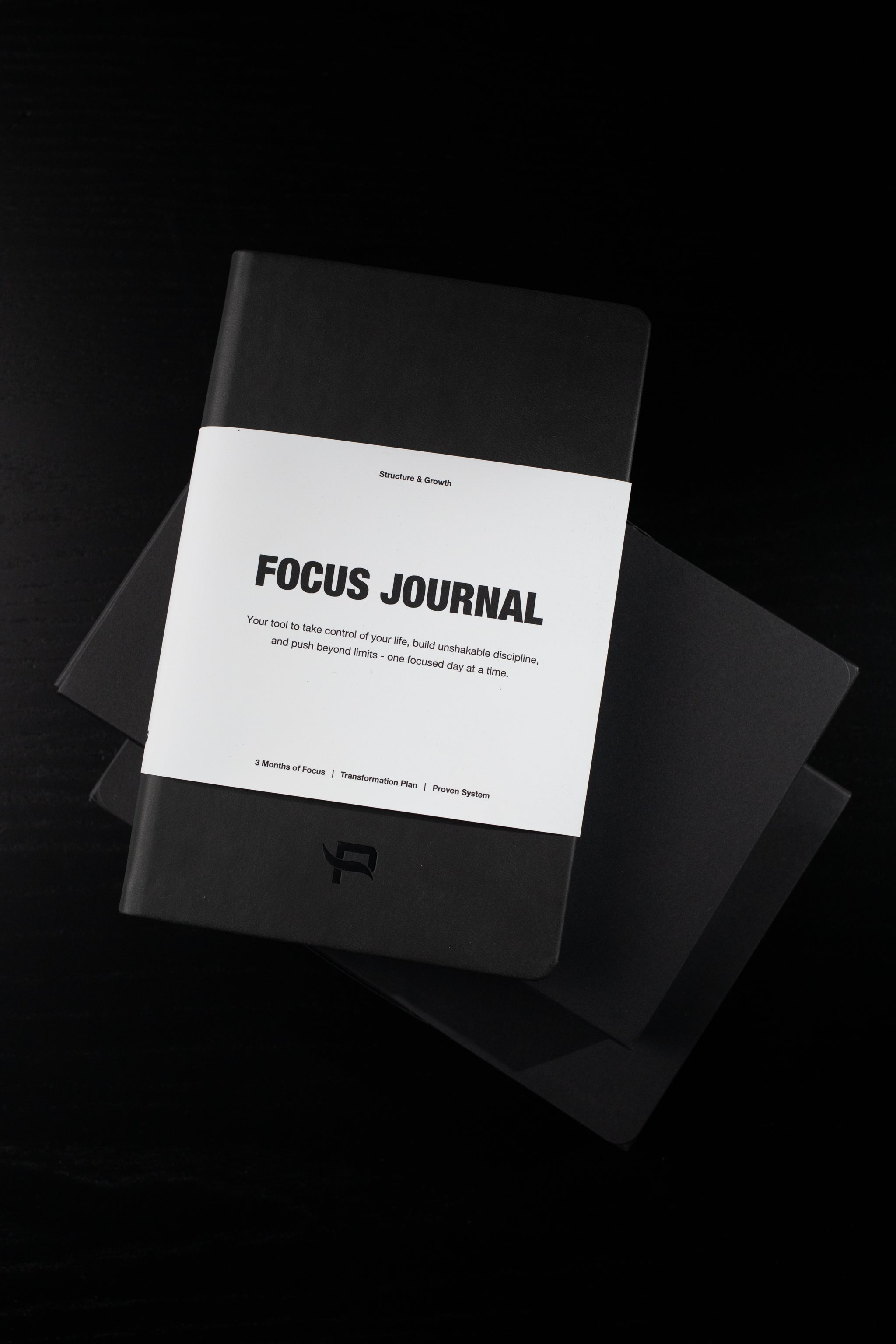
The PrimeFlow Focus Journal
90 days · Daily priorities · Weekly review · Evening reflection
A5 · Lay-flat · 100gsm · Vegan leather softcover · €37
Get Your Journal — €37 →